
Unlocking Manufacturing Capacity at Scale for Data Center Developers
By Jean Esquier
Jean Esquier is the Co-Founder and CEO of NGEN Mission Critical, bringing engineering and technology leadership experience across data center infrastructure, high-performance computing, and other mission-critical environments.
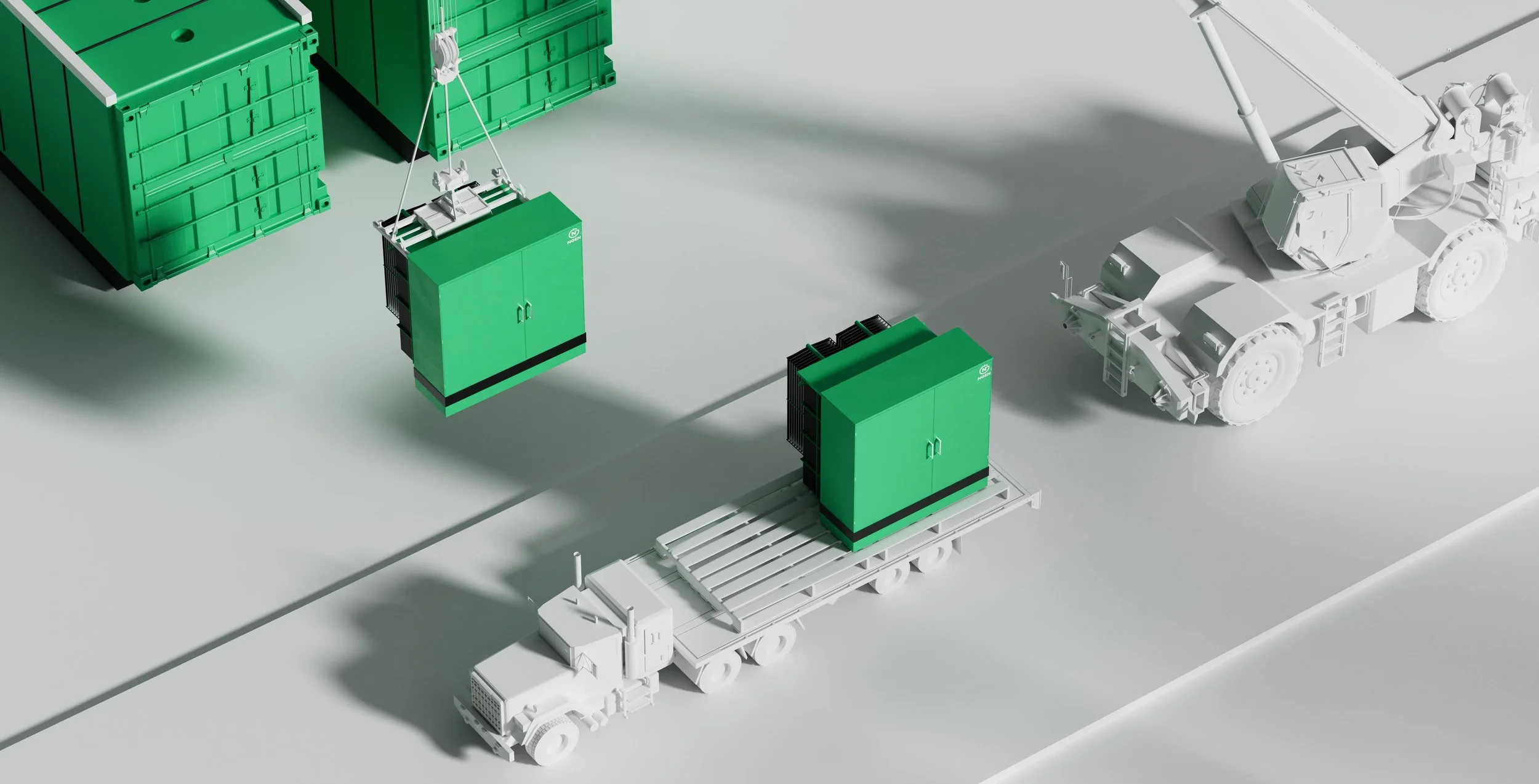
Qualified manufacturing capacity for mission-critical power and cooling equipment exists at scale around the world. The factories are built, the production lines are running, and the quality systems behind them are proven. What much of that capacity lacks is a route into U.S. data center projects.
For developers building today, manufacturing capacity, not capital, is the constraint. The hard part is getting equipment delivered and energized on schedule. But finding and accessing additional capacity is only step one. Developers also need a single partner accountable for deploying and supporting that equipment throughout its lifecycle.
NGEN was built to do both.
The Capacity Exists, It’s Just Out of Reach
Our manufacturing partners include one of the largest electrical equipment OEMs in the APAC region, with decades of experience producing mission-critical equipment at scale. They sell into more than 100 countries and generate tens of billions of dollars in annual revenue, yet only a fraction of a percent of their revenue comes from the United States. Capability is not the issue. Manufacturers like this often lack a U.S. presence of their own, because entering this market requires meeting distinct regulatory requirements, navigating market complexity, satisfying U.S. customer support expectations, and investing in a North American organization.
Meanwhile, U.S. domestic demand keeps climbing. U.S. data center capacity is expected to rise from roughly 24 GW to 100 GW between 2026 and 2030. Transformer demand is expected to grow from about 1,500 units annually to more than 9,000 by the end of the decade, with comparable growth across switchgear, transfer systems, and power distribution units. Between AI infrastructure and ongoing utility demand, domestic supply channels are struggling to keep pace. In North America, lead times for critical equipment such as medium-voltage switchgear can now reach 80 weeks.
The equipment U.S. developers are waiting on is already being built at scale. The challenge is getting it here, qualified for U.S. projects, and supported once it arrives.
The Barriers to Accessing Global Equipment
For a developer, reaching that capacity means working through six barriers.
Quality and Product Requirements
Globally manufactured equipment must meet the performance standards of U.S. mission-critical projects. Tier-one global OEMs often satisfy most requirements, with educated product modifications closing the remaining gaps. The key is identifying and vetting the right manufacturers for each scope.
Submittal and Technical Documentation
Even high-quality equipment can be difficult to deploy without robust documentation. Developers need complete submittals, installation and operations manuals, preventive maintenance schedules, spare-parts indexes, manufacturing and testing documentation, and construction/configuration materials that align with U.S. project expectations.
Certifications and Compliance
Equipment must satisfy customer specifications while meeting applicable certifications, National Electrical Code requirements, and other U.S. standards. Tariffs, regulations, and international trade requirements introduce additional complexity that must be planned for rather than discovered late in the project.
Factory and Supply-Chain Coordination
Working directly with international manufacturers can make factory meetings, product modifications, production schedules, logistics, and project changes more difficult to coordinate, particularly across time zones and differing commercial practices.
Field Service, Warranty, and Spare parts
Developers need confidence that support will continue to be available once the equipment reaches their site. Limited domestic field-service capabilities, unclear warranty pathways, dependence on overseas technicians, or spare parts and testing resources located abroad can create operational risk and extend downtime when a repair is needed, making local support, domestic warehousing, and spare-parts availability critical.
Equipment Financing
Lenders and investors review major equipment as part of due diligence. Debt providers may be unfamiliar with the heritage and performance of both newer U.S.-based brands or established global equipment manufacturers. Financing parties may question who stands behind the equipment if it fails when considering warranty, insurance, and other contractual obligations.
None of these are arguments against global manufacturing capacity. They describe the considerations to qualify global OEMs for North American infrastructure projects. The question is who carries that accountability.
Unlocking Capacity at Scale Under One Accountable Partner
For developers building at scale, manufacturing capacity comes down to whether enough quality equipment can be produced within the required schedule. Historically, developers could secure scale through a single manufacturer with sufficient capacity or through different manufacturers serving distinct equipment categories.
Today’s supply constraints can force developers to source a single equipment category across multiple OEMs, introducing different configurations, documentation requirements, and commercial relationships. This fragmentation creates additional complexity across procurement, engineering, logistics, installation, commissioning, and ongoing maintenance.
NGEN’s model addresses both challenges. We unlock manufacturing capacity at the scale large projects require, and we serve as the single point of accountability for everything that follows. Identifying and vetting manufacturers is a critical part of our model. We meticulously qualify OEMs against the performance, quality, and documentation standards U.S. mission-critical projects require.
Our customers receive documentation, traceability, and certification visibility. Every project is supported by our U.S.-based engineering, logistics, and field service teams. We manage factory communications, technical requirements, product modifications, production schedules, and project changes between customers and our OEM partners, so the developer works with one team rather than a portfolio of manufacturers spread across several countries.
Making Capacity Deployable: Engineering, Compliance, and Supply Chain
Manufacturing capacity and deployable capacity are not the same thing. Available capacity becomes deployable only when equipment is localized for the market where it will operate and meets the requirements of everyone who touches it. This includes the design engineer whose specification it must match, the engineer of record who must approve the submittal, the authority having jurisdiction who must accept the certification, the construction team responsible for installing it on schedule, and the technician who may need to service it years later.
Our Head of Product, Anderson Hungria, has written about how that engineering bridge works for custom equipment. The same discipline applies to capacity at volume.
Our U.S.-based engineering team works with global OEM partners to identify and address product, documentation, testing, and certification requirements based on customer specifications and applicable U.S. standards. That includes the submittals, installation and operations manuals, preventive maintenance schedules, and spare-parts indexes that construction and commissioning teams need for deployment and ongoing operation. Addressing these requirements upfront makes compliance part of equipment selection and engineering rather than a downstream consideration, and keeps documentation gaps from surfacing on site.
We also help customers navigate equipment financing. The documentation and testing record we deliver supports lender diligence, and the capital provider partners we work with can underwrite equipment financing based on the quality of our manufacturing partners and the accountability our model provides. Across a growing share of our portfolio, NGEN also serves as the domestic counterparty, so lenders have the assurance of a U.S. company standing behind the equipment.
Every order includes Factory Acceptance Testing at the manufacturing facility before shipment. From there, we coordinate shipping, staging, and site delivery, with warehousing available nationwide, structured to align equipment availability with each project's construction schedule.
Our responsibility also extends to supply chain intelligence. We track conditions that can affect customer projects, including tariffs, commodity costs, and procurement timing, and build that intelligence into project planning. For example, if market trends suggest copper costs may rise, we can help customers evaluate whether accelerating or increasing a planned equipment purchase is strategic.
Lifecycle Accountability
With our model, lifecycle accountability does not end at delivery. NGEN Director of Field Operations Mark Strine has written about why accountability is crucial across the full equipment lifecycle. That same principle applies here, extending to ongoing support after equipment reaches the site.
We offer three service models to suit every project profile, featuring local field-service capabilities, spare-parts availability, clear escalation pathways, and responsive technical support throughout the equipment lifecycle. This domestic support structure means customers do not have to rely on overseas OEM resources when service issues arise. We also own the warranty process from issuance to case creation, through to resolution. We manage the flow of people and parts until the issue is resolved. Our customers do not have to chase warranties or navigate complexity if a system goes down.
Your Partner for Mission-Critical Power and Cooling
The factories were always running. What North American developers lacked was a way to reach that capacity, and a partner accountable for everything between the production line and the energized site.
Our service platform closes that gap, bringing U.S.-based design, engineering, compliance, delivery, commissioning, and support under a single accountable partner. We maintain structured manufacturing and service agreements with global, world-class OEMs, and take contractual responsibility for turning that capacity into equipment that developers can confidently deploy at scale.
Constrained by a critical project timeline? Contact our team to discuss capacity and lead times.